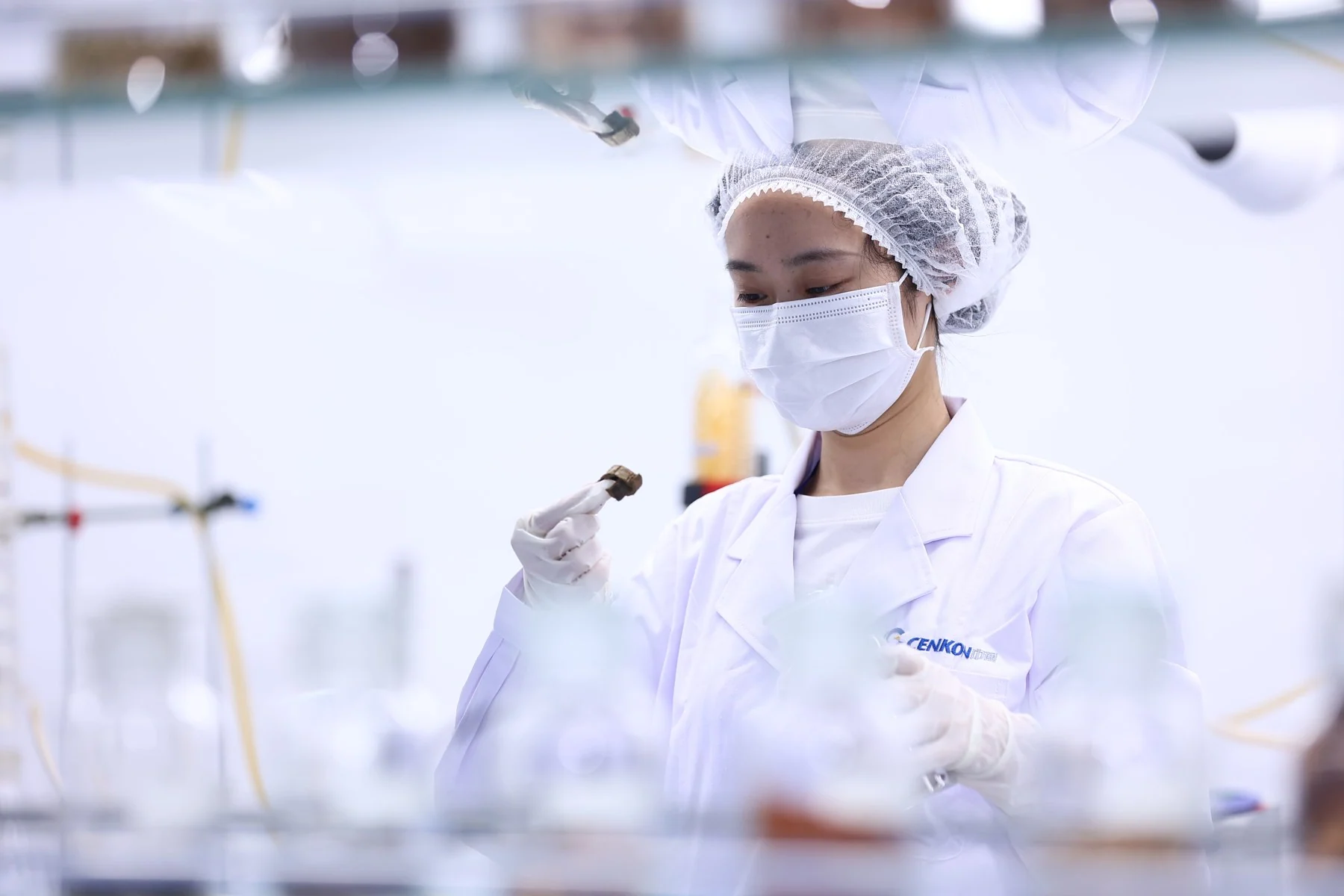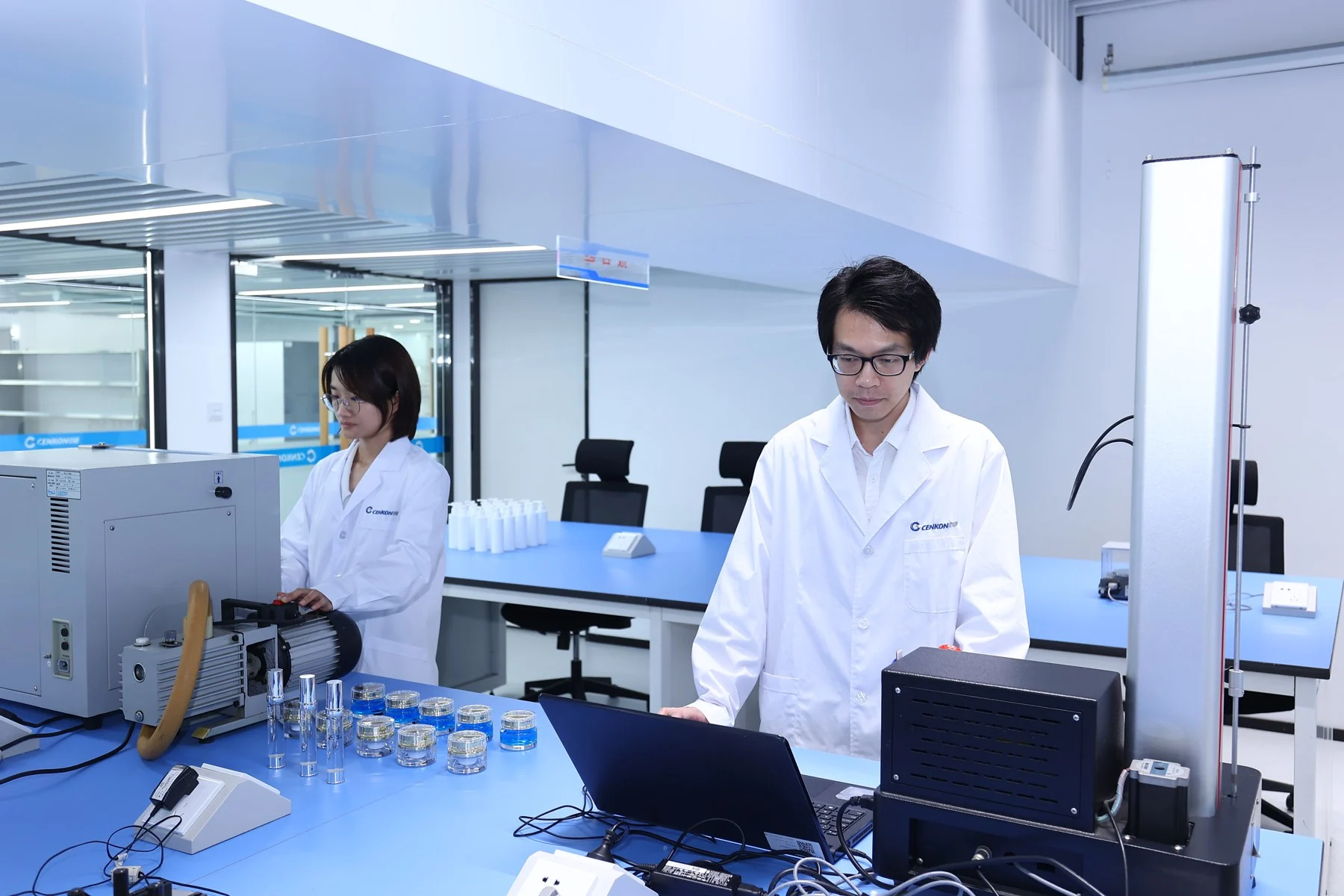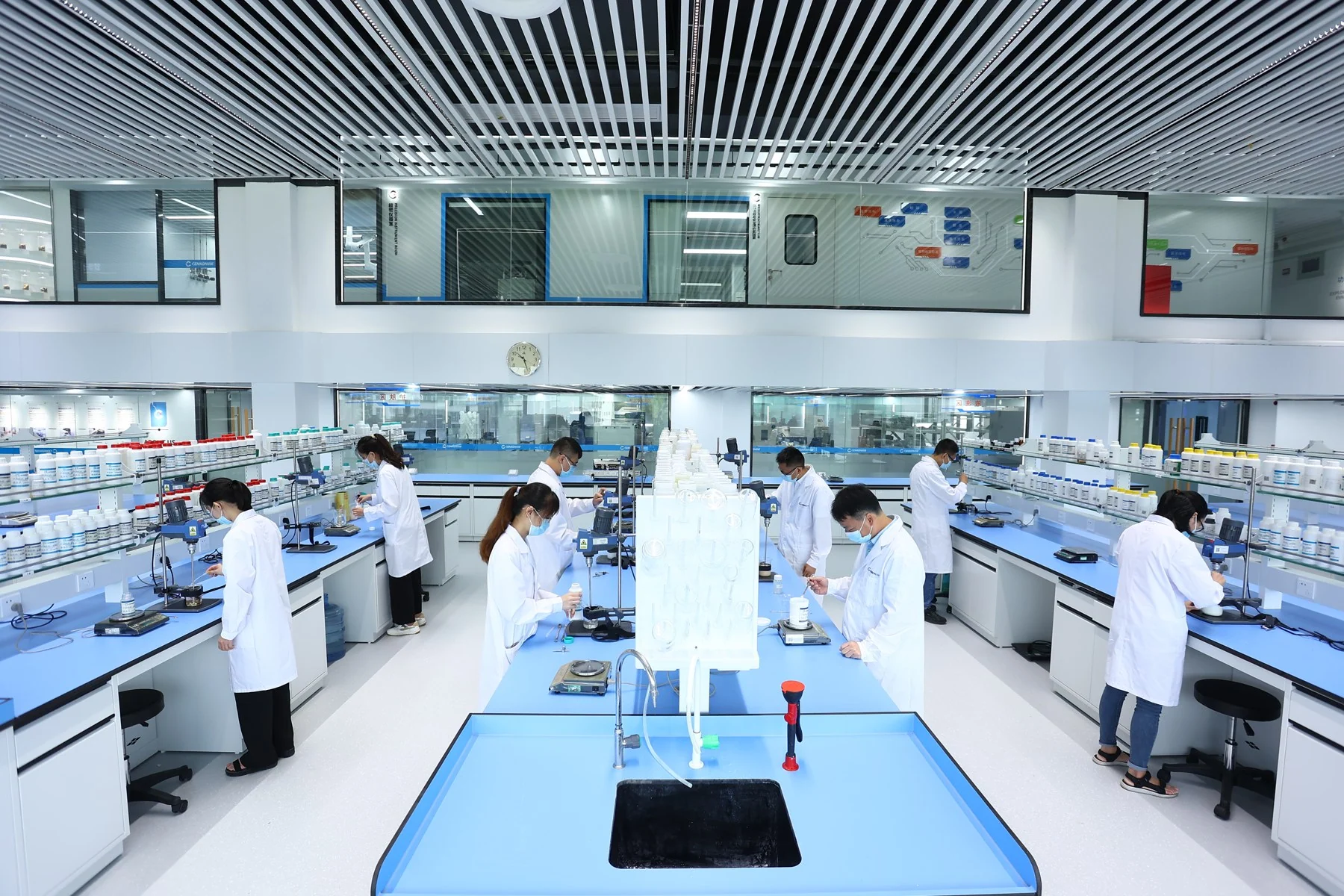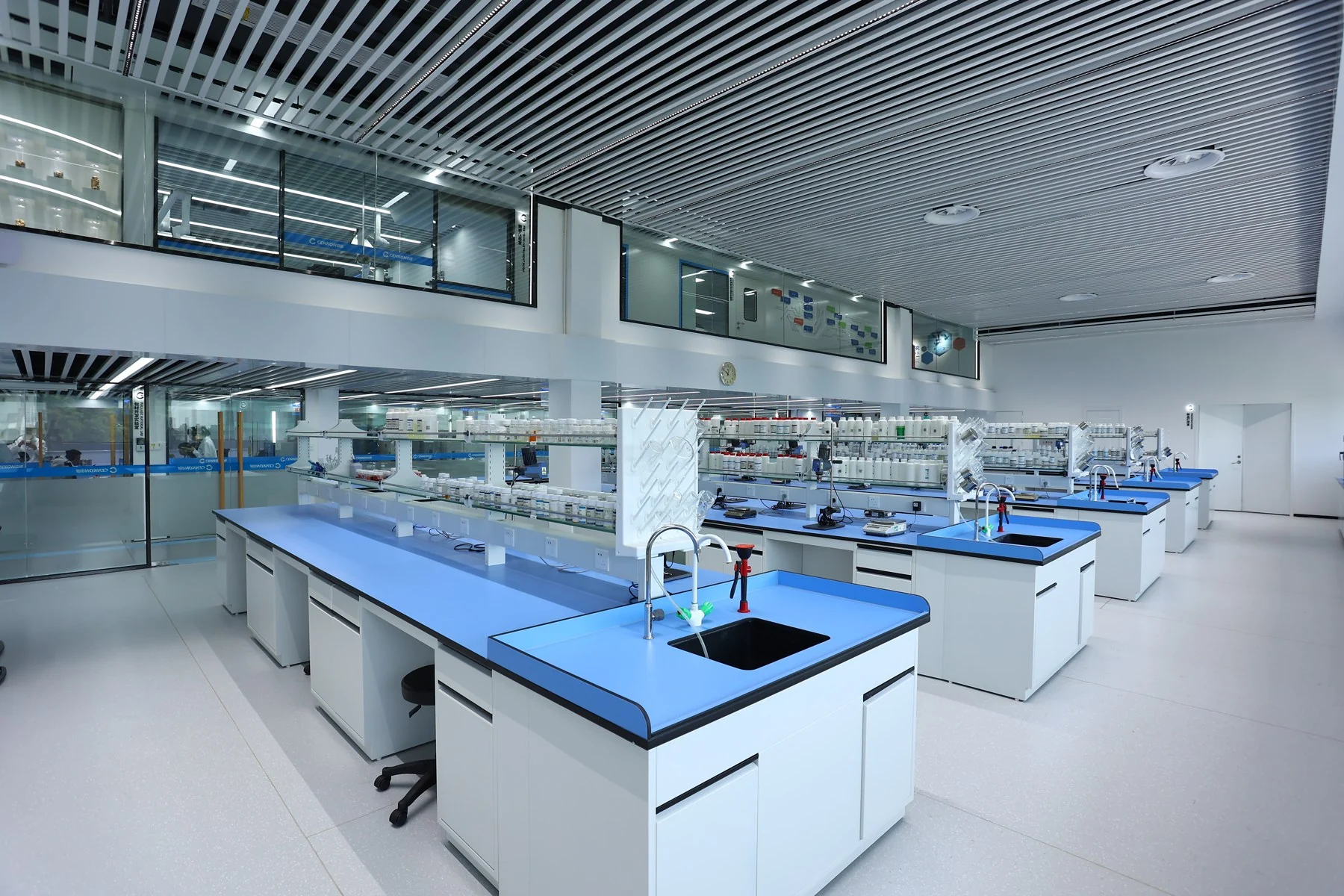
CENKON formulation research laboratory

Research & development at CENKON

Innovation-Driven Development

Our R&D center combines scientific expertise with market insight to create safe, effective and innovative beauty solutions.

An integrated research platform

Science from Insight to Scale

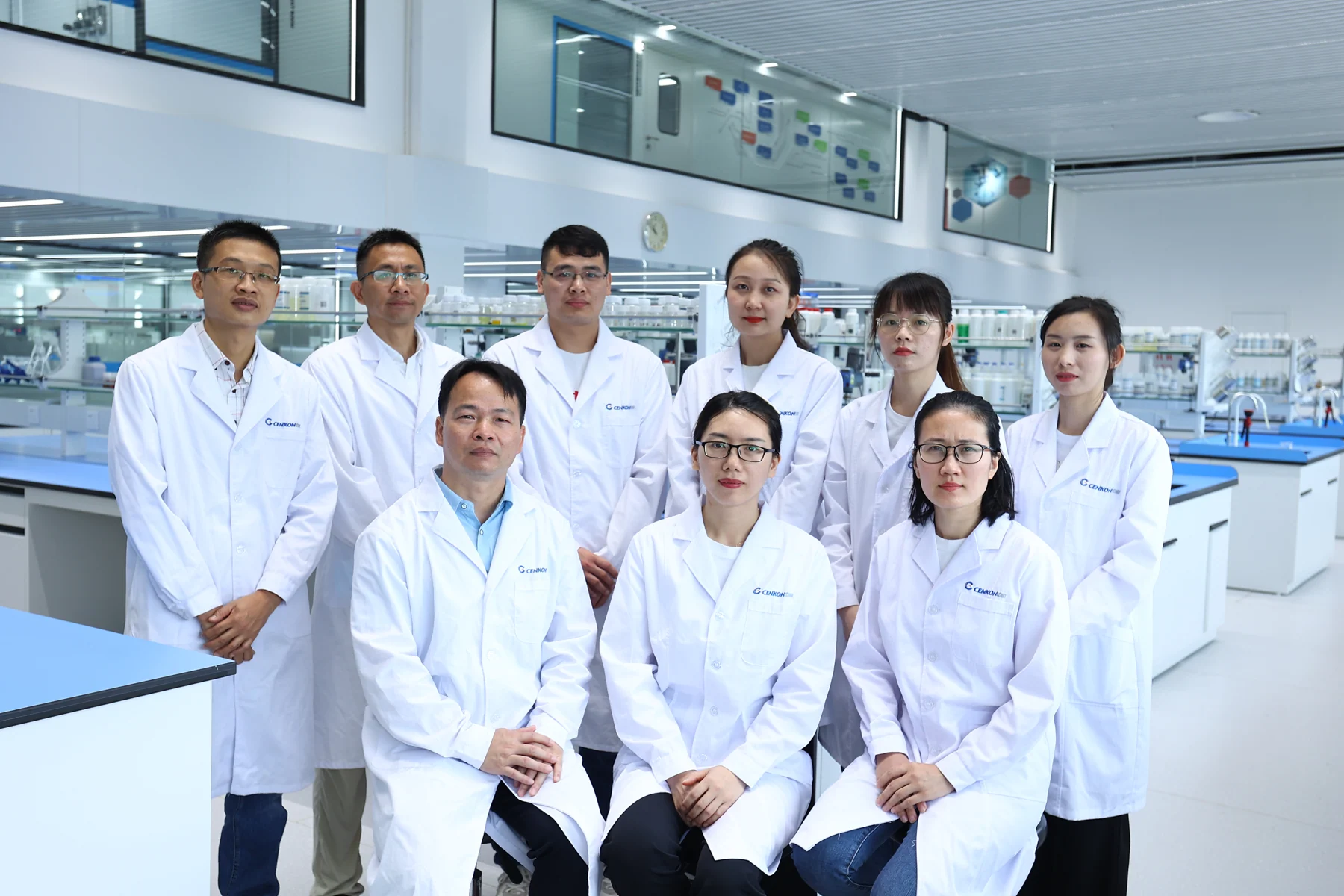
Our full-chain team connects formulation, packaging, regulations and standards, technical support, research management, botanical extraction, and efficacy and safety evaluation.

50+Research professionals
20+Human & in-vitro test methods
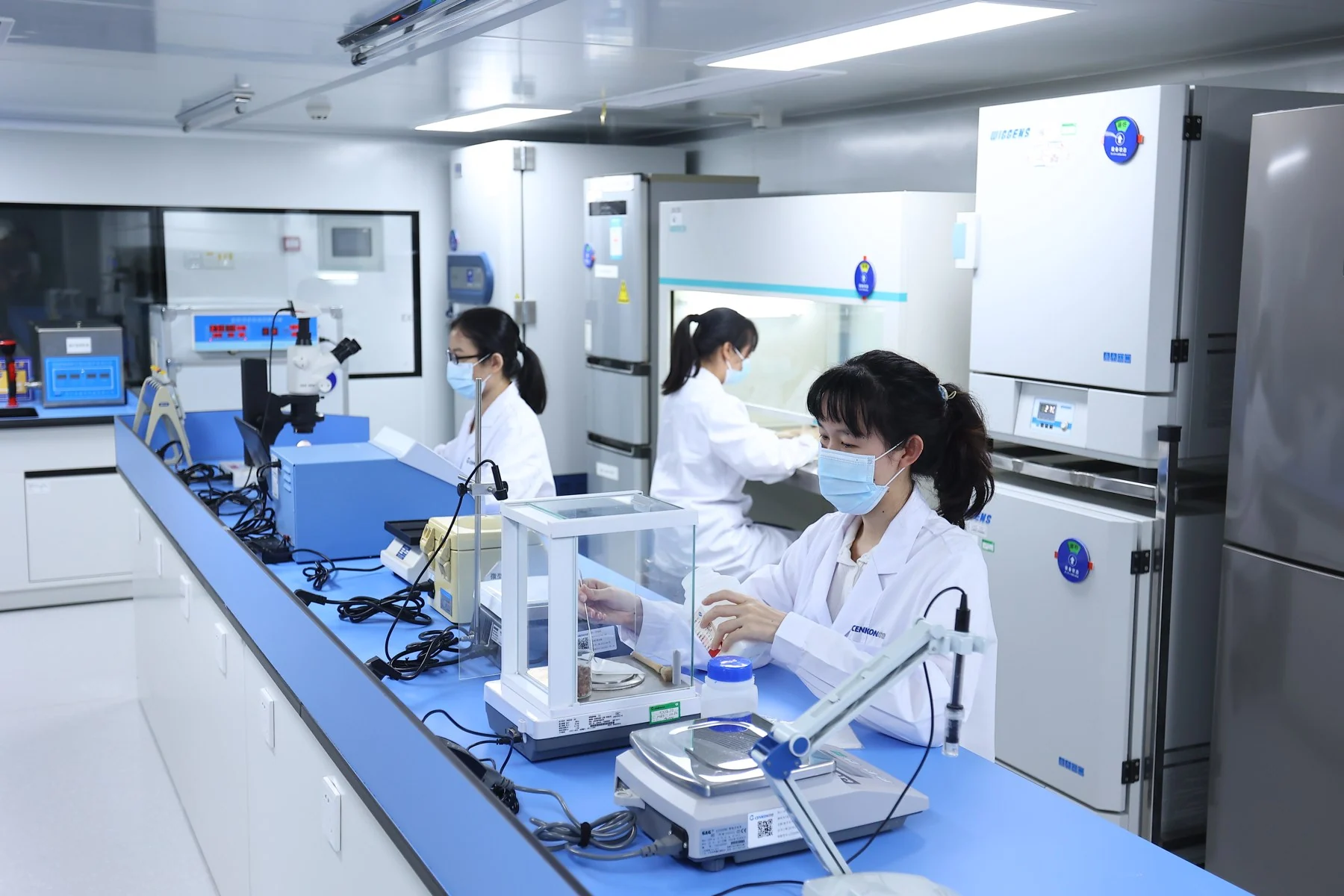
80+Testing instruments
1,400+Inspection items
CENKON multidisciplinary research team

Botanical innovation

Research That Reaches the Market

Our botanical research has developed more than 20 actives, secured 12 invention patents, published 3 papers and commercialized 6 patented raw materials.

In 2024, our research on plant-derived tetrandrine as a novel active addressing multiple acne-related factors was selected for an oral presentation at the IFSCC Congress. The work has been commercialized into a finished skincare product.

Market insight → formulation → packaging → efficacy and safety → regulatory support → production.

Our capabilities

Botanical Actives & Delivery Technology

From raw-material research and extraction to active delivery and finished-formula application.

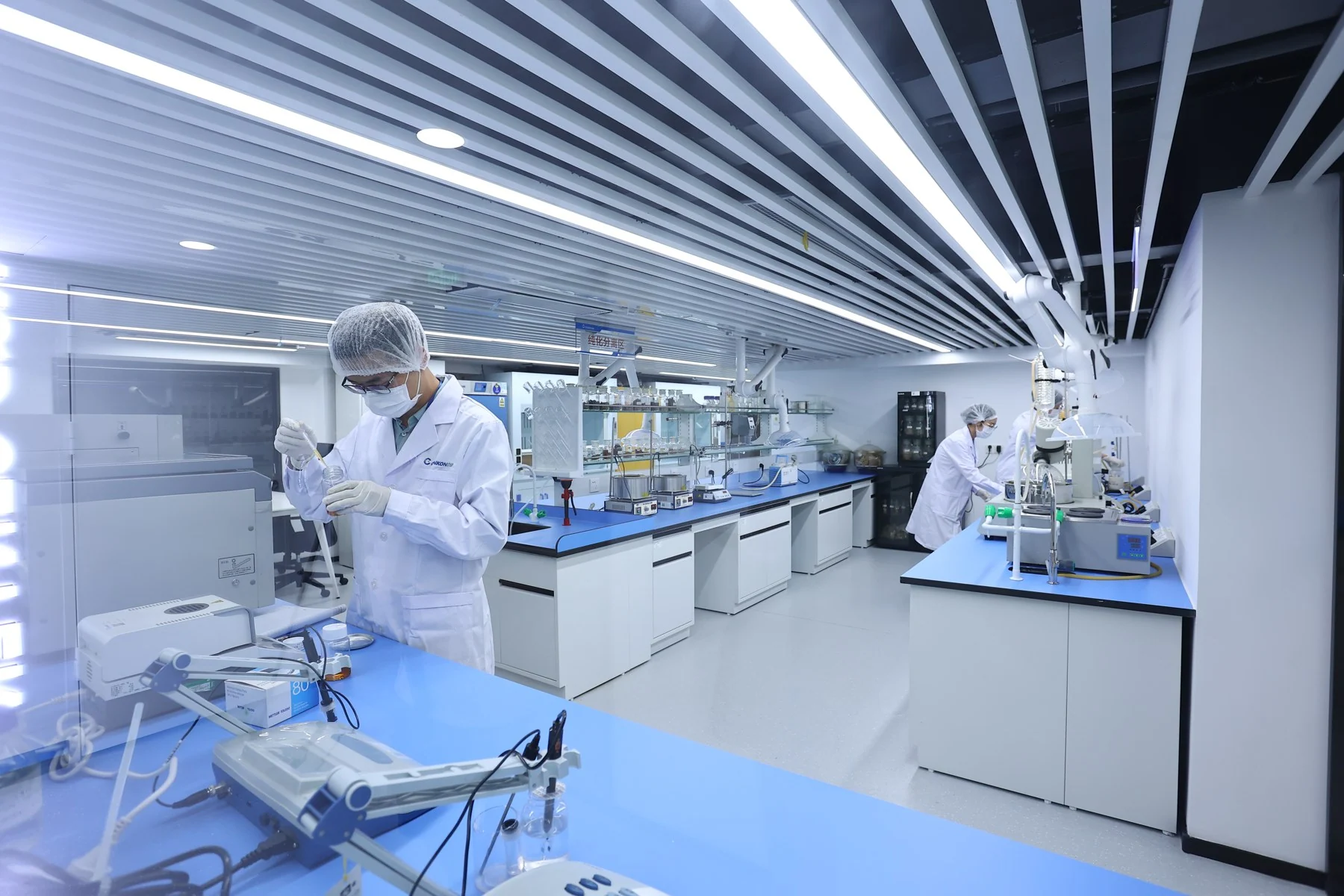
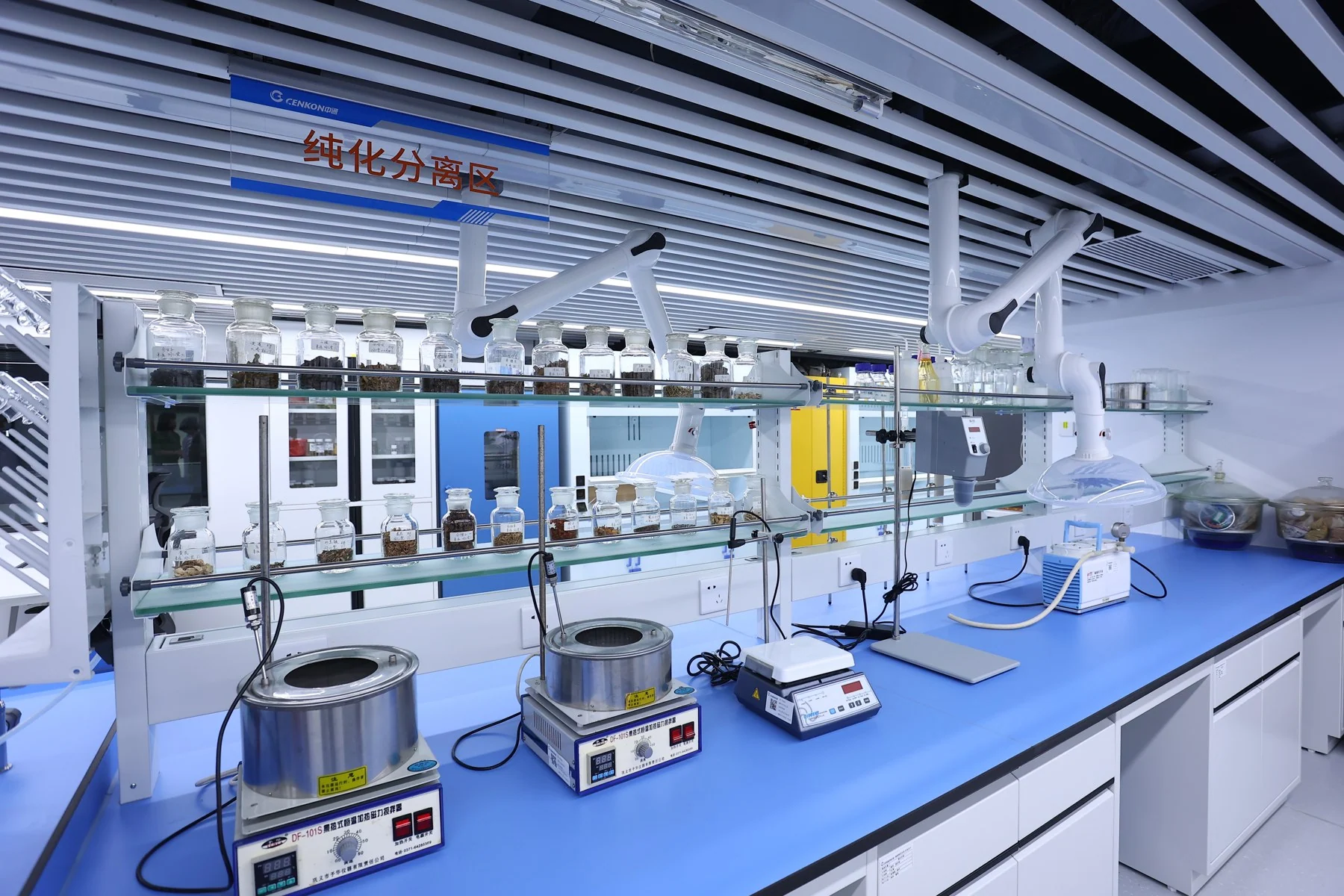
Botanical extraction laboratoryBotanical extraction laboratory

Botanical extraction laboratory

Methods & equipment

Around 100 m² of laboratory space and more than 30 instruments support raw-material identification, TLC, moisture and extractives testing, extraction, clarification, purification and concentration. Reflux-assisted aqueous two-phase extraction, multistage resin purification and membrane separation help develop botanical actives for blemish care, soothing and brightening. An IKA RV10 rotary evaporator supports low-temperature vacuum concentration, while moisture and solids analysis supports process control.
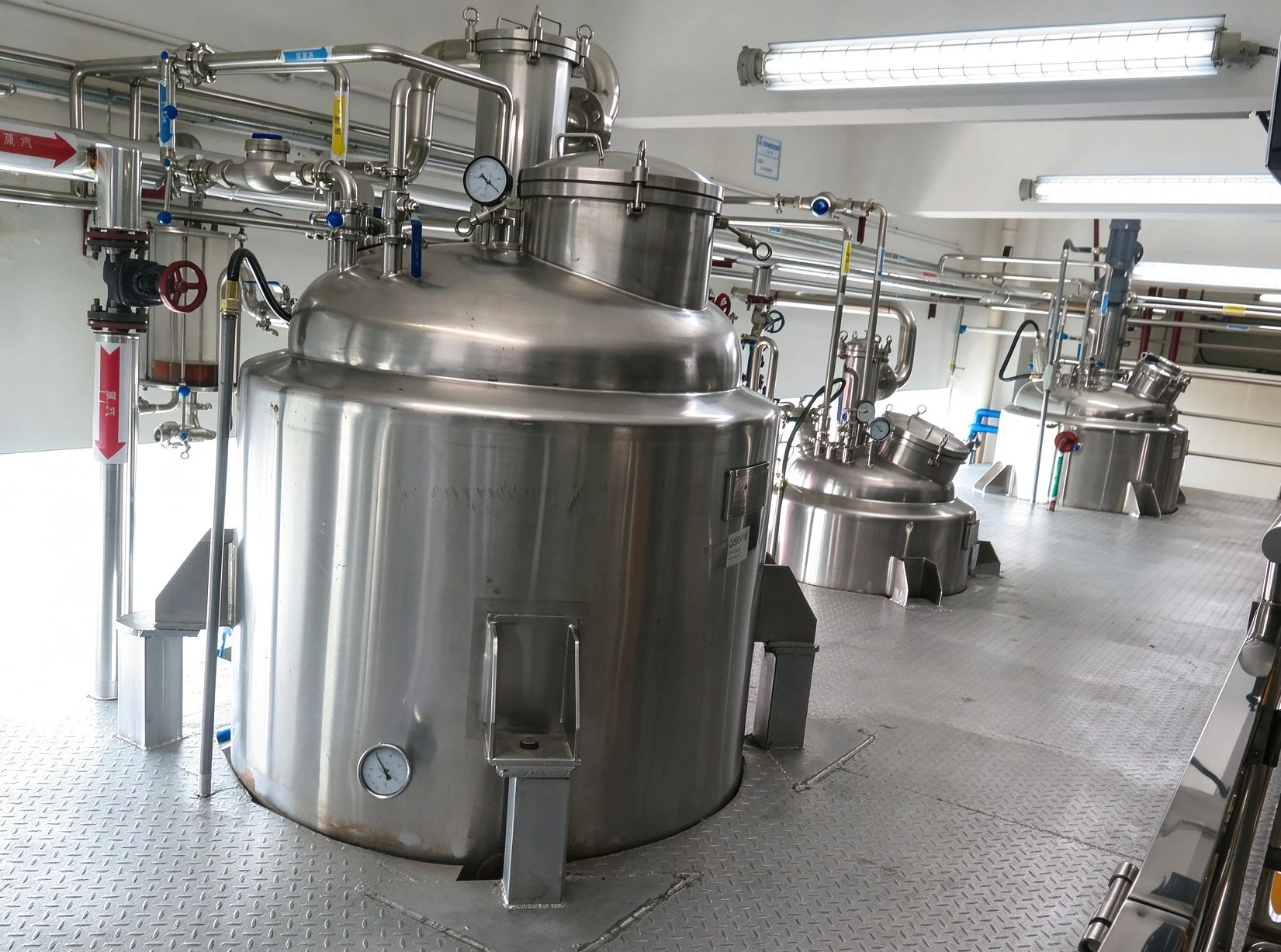
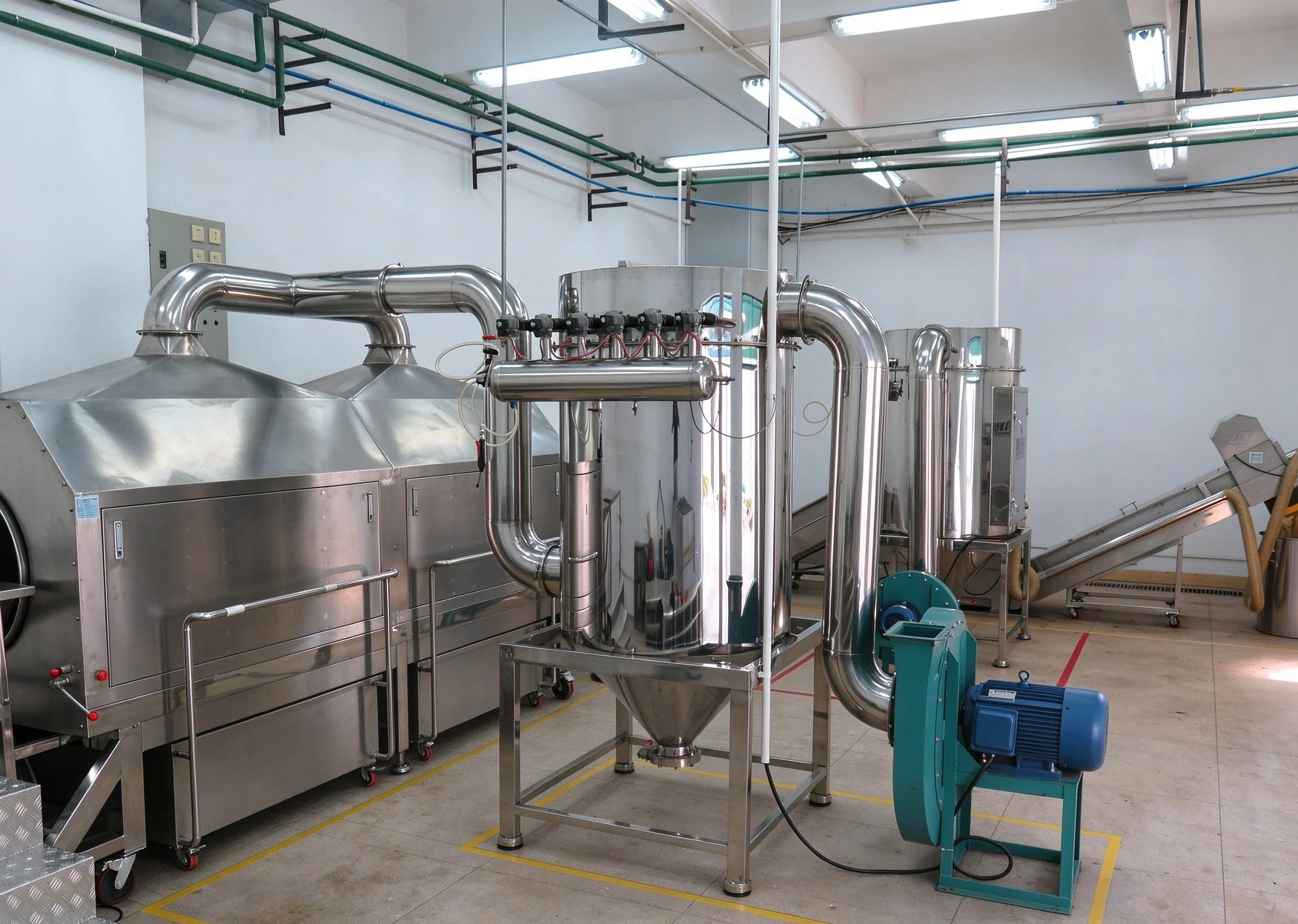
Botanical extraction workshopBotanical extraction workshop

Botanical extraction workshop

Methods & equipment

A 600+ m² extraction workshop, established in 2010, connects pretreatment, intermediate storage, extraction, concentration, purification and spray drying in the clean area. Pretreatment capacity is 1 t/h. Controlled storage stays below 30°C and 60% RH, with ozone disinfection three times a week. Multistage column chromatography supports active enrichment and the transfer of patented extraction processes into production.

Bio-based hydrogel materials

Bio-based hydrogel materials

Methods & equipment

Renewable bio-based macromolecules form a porous, hydrophilic three-dimensional network. By adjusting crosslink density, pore structure and mechanical properties, the platform develops moisture-retaining carrier systems for cosmetic actives. Mild preparation conditions help protect heat-sensitive ingredients, while loading and release studies support hydrogels, moisturizing repair bases and functional dressing samples.

Encapsulation & particle-size analysisEncapsulation & particle-size analysis

Encapsulation & particle-size analysis

Methods & equipment

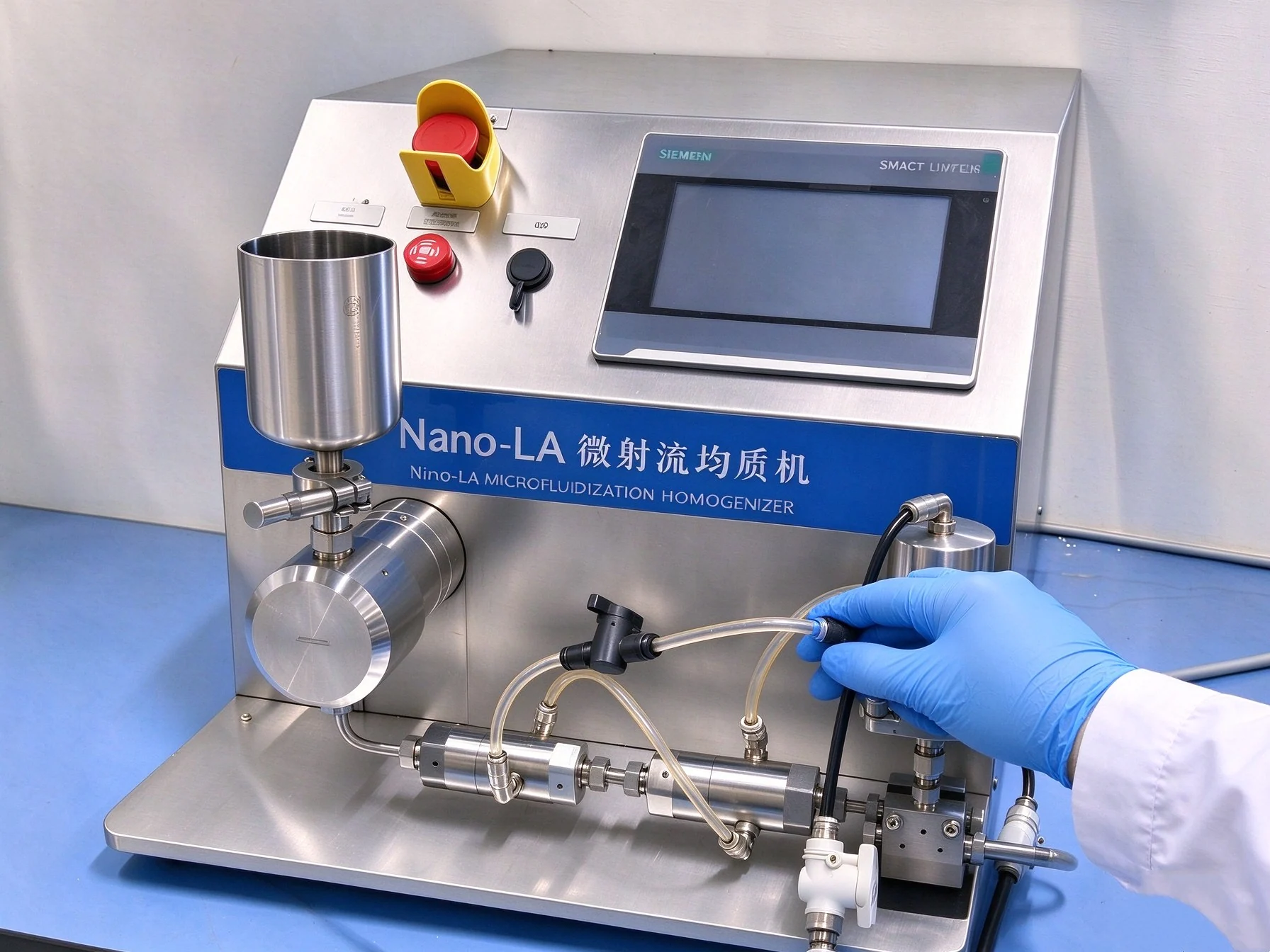
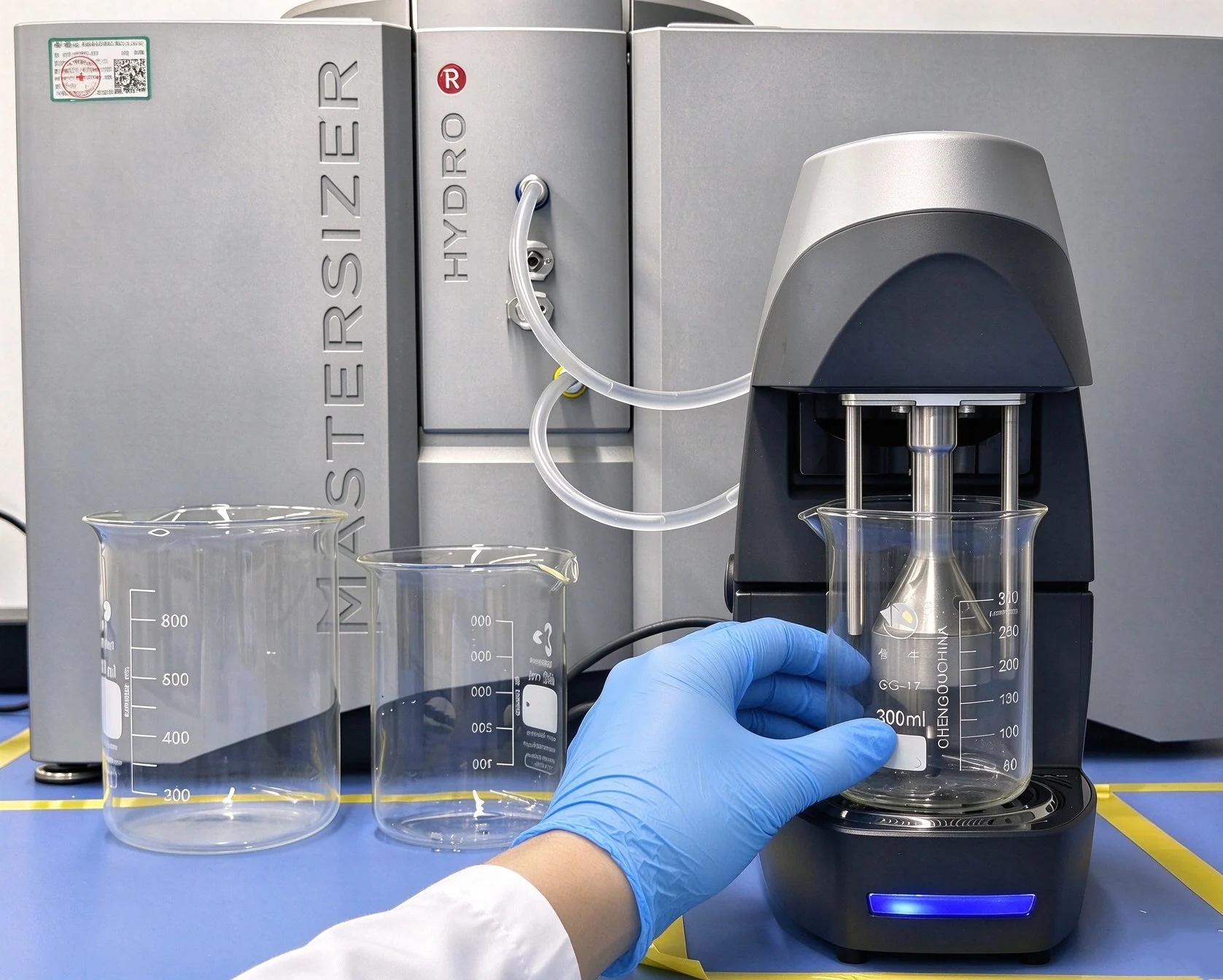
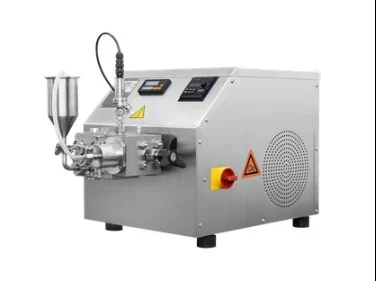
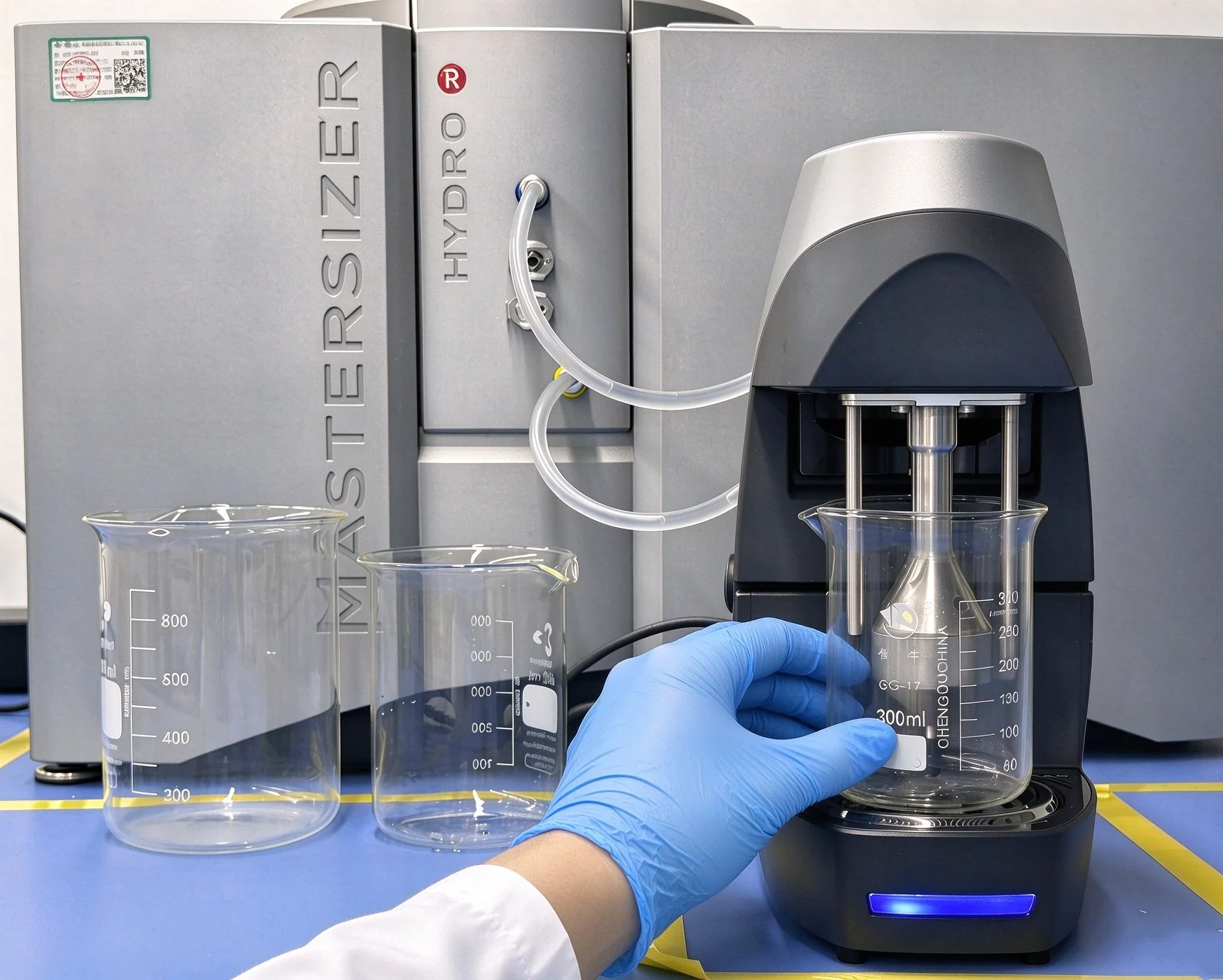
High-pressure microfluidization combines collision, shear and cavitation to develop liposomes, nanoemulsions, NLC/SLN lipid carriers and microcapsules. Controlled particle size and PDI, encapsulation studies and inline cooling support reproducible development with heat-sensitive actives. A Mastersizer 3000 laser diffraction analyzer characterizes particle-size distributions from nanometer to millimeter scales.

Production-scale microfluidization

Production-scale microfluidization

Methods & equipment

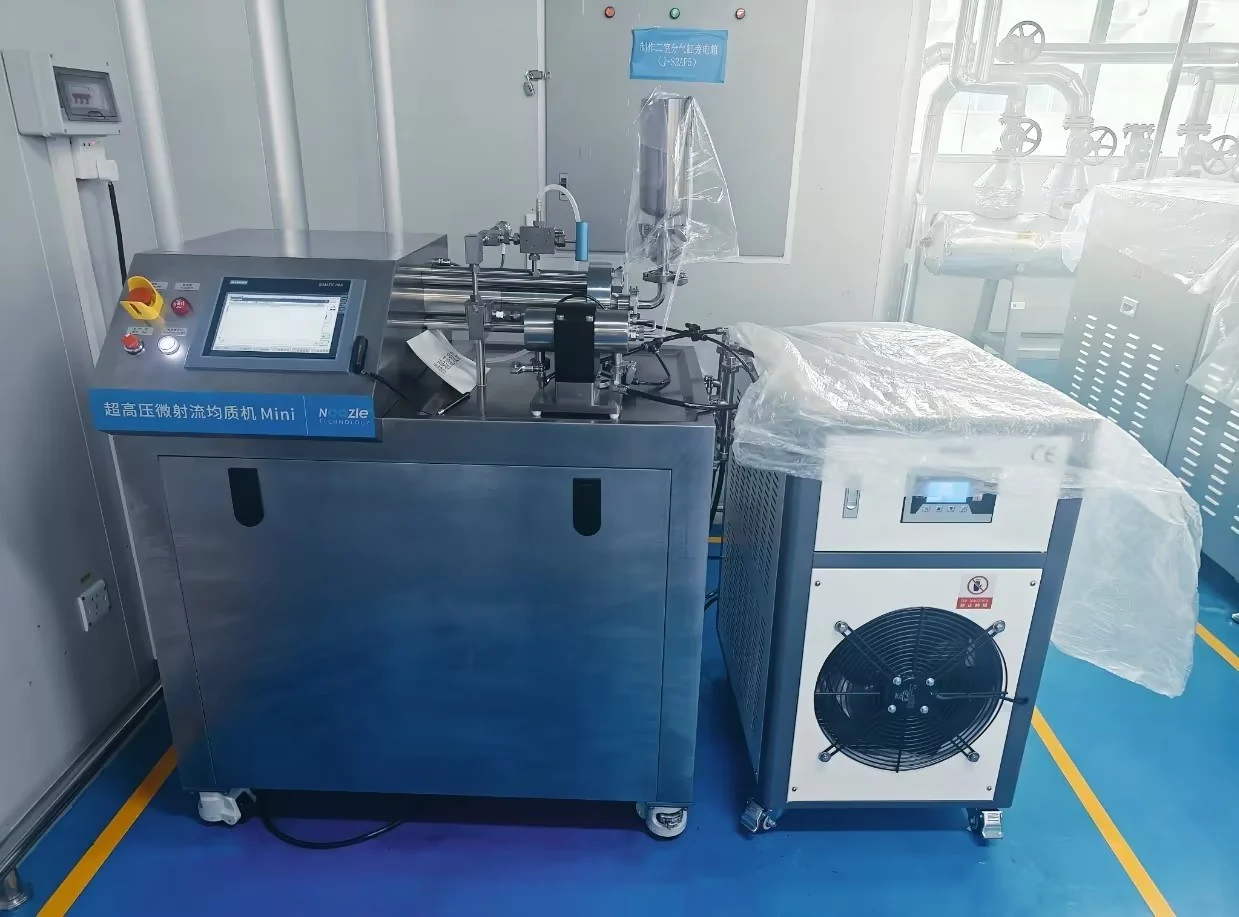
The supplied production platform operates in a Class 100,000 / Grade D clean environment, supported by GMPC and ISO 9001:2015 management systems. The 12,000 m² GMPC workshop uses air purification and controlled sanitation. Production microfluidization supports a throughput of at least 330 ml/min, pressures up to 30,000 psi and continuous operation of at least 8 hours, with emergency-stop protection.

Our capabilities

Efficacy, Safety & Stability Evaluation

In-house evaluation connects safety, stability, efficacy and sensory performance with traceable experimental evidence.

In-vitro sun protection screening

In-vitro sun protection screening

Methods & equipment

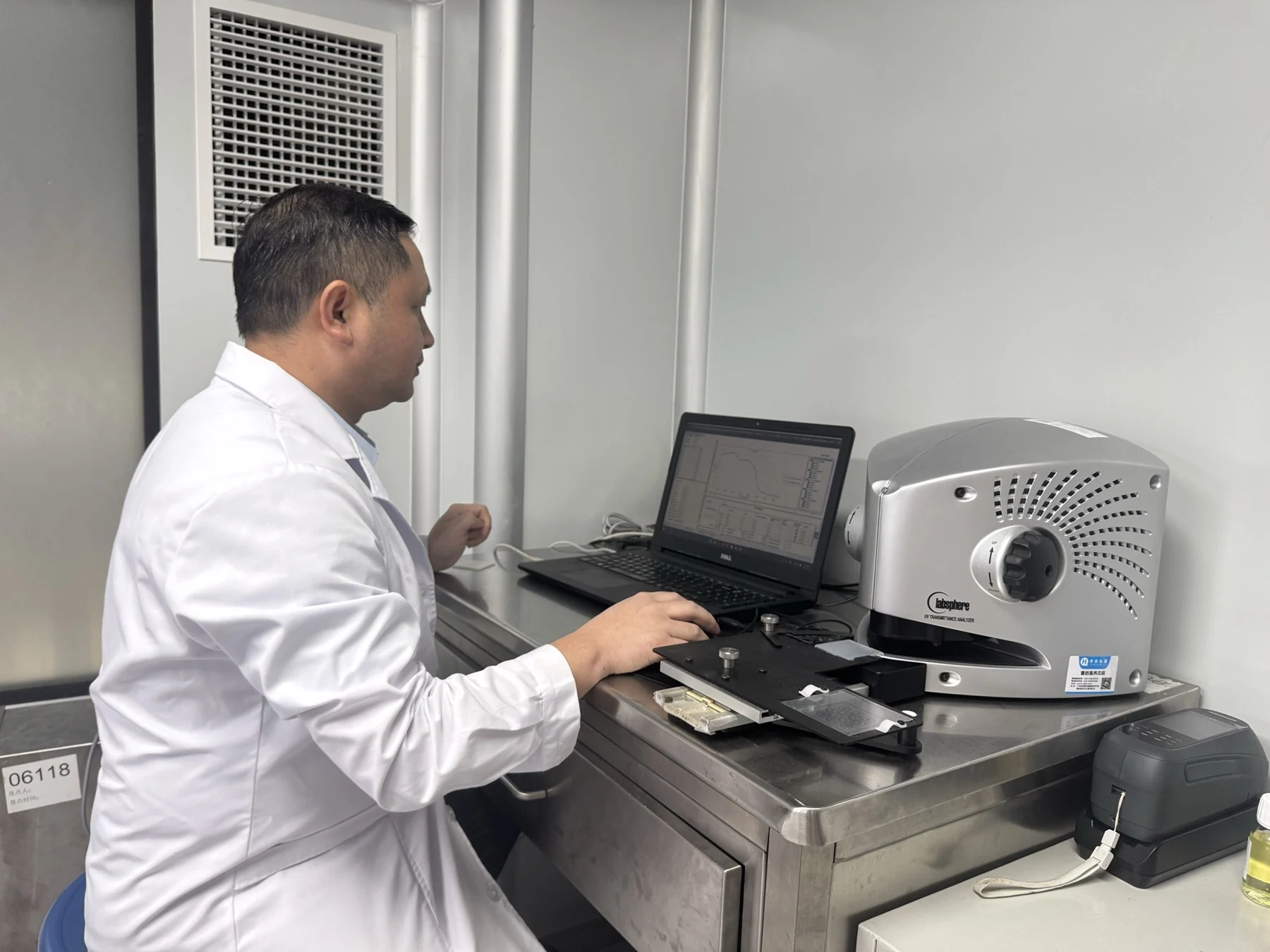
The UV-2000S ultraviolet analyzer scans 290–400 nm spectra and evaluates SPF, UVAPF, critical wavelength and other sunscreen parameters. Diode-array spectroscopy and dedicated optics support rapid preliminary screening in under 5 seconds per sample, with methods aligned to relevant ISO, COLIPA, Boots and FDA frameworks. Equipment listed in the source also includes the SPF601-300-V2.5 sunscreen analyzer, Canfield VISIA 7 facial imaging and Cutometer Dual MPA580.

In-vitro efficacy & safety models

In-vitro efficacy & safety models

Methods & equipment

A multidimensional matrix combines tissue and organ models with biochemical assays. Ex-vivo porcine skin supports absorption, permeation and retention studies. Microplate assays assess hyaluronidase, tyrosinase and elastase inhibition as well as DPPH radical scavenging. HET-CAM testing with stereomicroscopy supports irritation screening and the assessment of a formulation’s safety window.

Cell-based evaluation

Cell-based evaluation

Methods & equipment

A controlled cell-culture environment includes clean benches, CO₂ incubators, a liquid-nitrogen cell bank, inverted microscopy, cell counting and microplate analysis. HaCaT cells support viability, toxicity and UVB oxidative-damage studies; 3T3 cells support peroxide-damage models; B16-F10 cells support melanin assays; and LPS-induced RAW264.7 models assess NO and TNF-α. Keratinocyte–melanocyte co-culture extends the evaluation beyond single-cell screening.

Microbiology laboratory

Microbiology laboratory

Methods & equipment

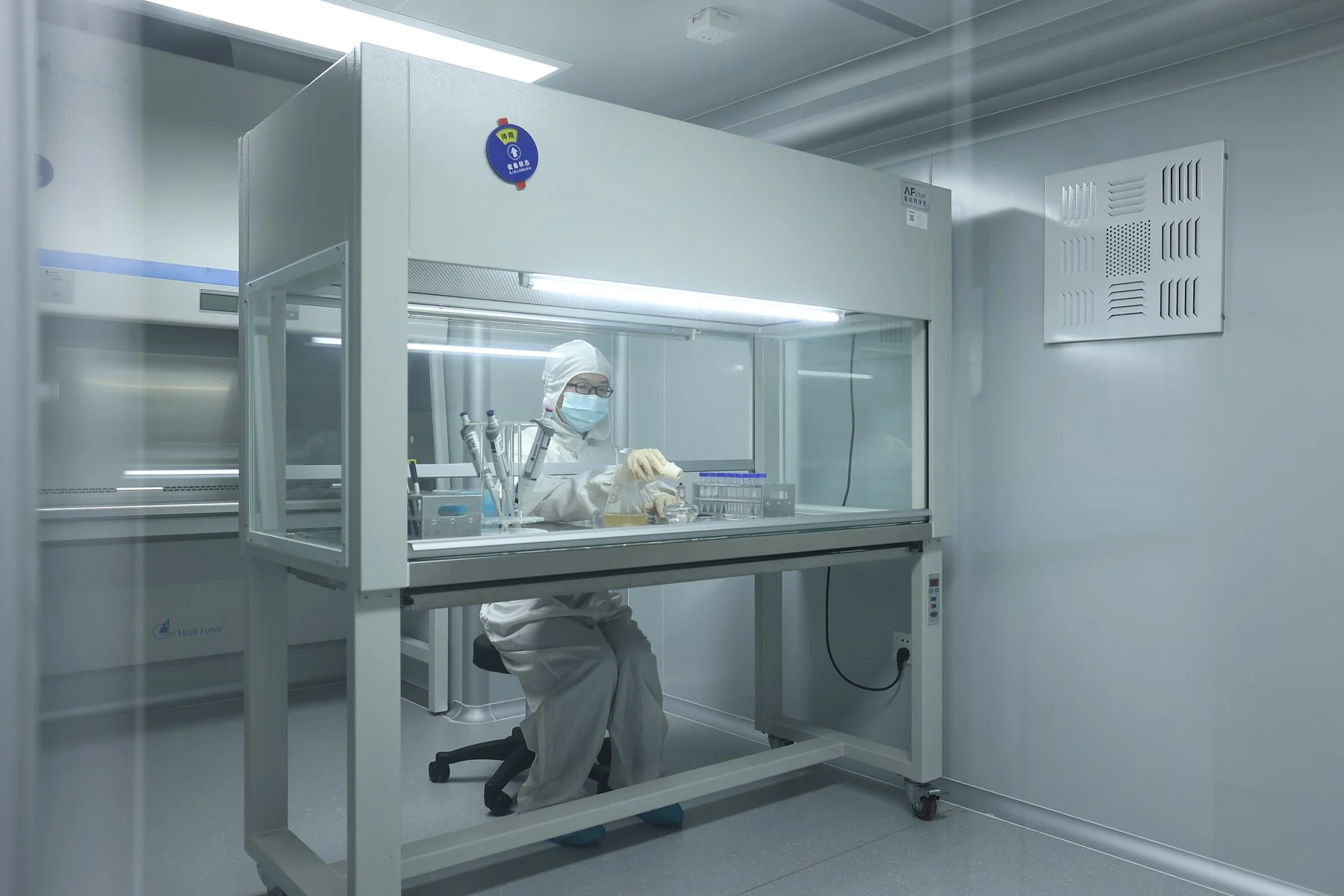
Independent functional areas, local Class 100 laminar-flow work zones, culture facilities and autoclave waste treatment support microbiological evaluation. Methods include inhibition-zone assays, minimum inhibitory concentration (MIC) and quantitative suspension testing. Organisms listed in the source include S. aureus, P. aeruginosa, E. coli, C. acnes, Malassezia and T. rubrum for relevant antimicrobial screening programs.

Stability & early trend analysisStability & early trend analysis

Stability & early trend analysis

Methods & equipment

Dedicated sample-retention and test areas support 25 ± 2°C / 60 ± 5% RH, 40 ± 2°C / 65 ± 5% RH and 45 ± 2°C / 55 ± 5% RH studies, plus light exposure and cold / freeze-thaw cycling. Appearance, color, odor, pH, viscosity and separation are monitored. Turbiscan static multiple light scattering enables nondestructive analysis of undiluted samples, revealing early stability trends within hours without mechanical stress.

Our capabilities

Packaging Development & Reliability

An in-house validation loop connects structural sampling, compatibility, aging, sealing, transport simulation and engineering review.

Structural design & rapid samplingStructural design & rapid sampling

Structural design & rapid sampling

Methods & equipment

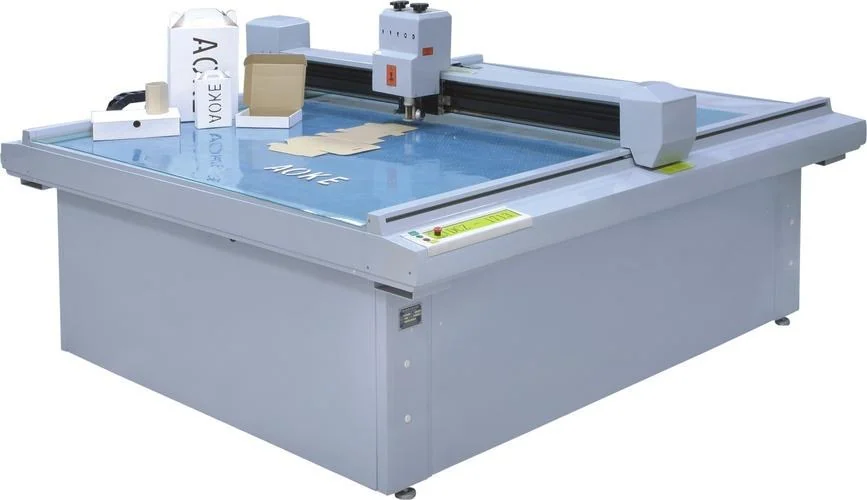
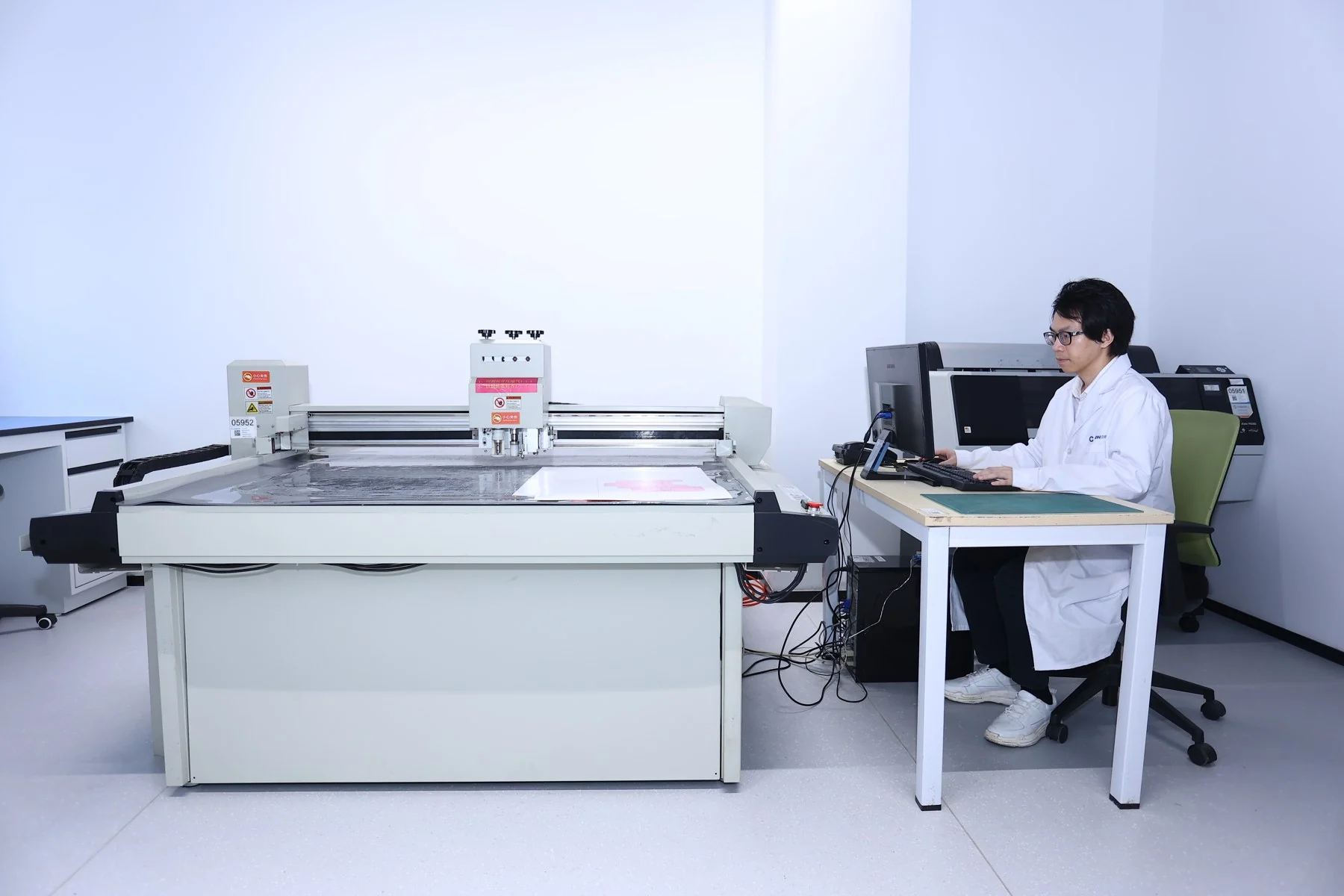
An AOKE DCZ-50-1310 computerized sample cutter supports cutting, creasing and kiss-cutting across card, kraft paper, greyboard, rubber sheet, labels, composites and corrugated materials. Specialized blades and creasing wheels accommodate approximately 1.5–15 mm materials. Structural prototypes and assembly-fit checks help resolve design issues before tooling.

Formula–packaging compatibility

Formula–packaging compatibility

Methods & equipment

Actual formulations are filled to the labeled quantity using representative closure torque. Accelerated storage at 45°C / 75% RH is compared with room-temperature samples, blank packaging and formulation controls. Over weeks 1–4, engineers examine content color, odor and separation, packaging swelling and deformation, seal and membrane strength, pump priming, output and recovery, and leakage before a final review.

Seal integrity & leakageSeal integrity & leakage

Seal integrity & leakage

Methods & equipment

A combination of vacuum decay, inverted and side storage, water-bath bubbling and interlayer tests identifies microleaks and closure failures. Source protocols include −0.06 MPa for 5 minutes; side storage at 25°C for 72 hours after vacuum testing; 24-hour inverted tests for jars and unsealed tubes; and 80°C water-bath testing for 5 minutes for relevant fragrance and aerosol packaging.

Light aging & yellowing resistanceLight aging & yellowing resistance

Light aging & yellowing resistance

Methods & equipment

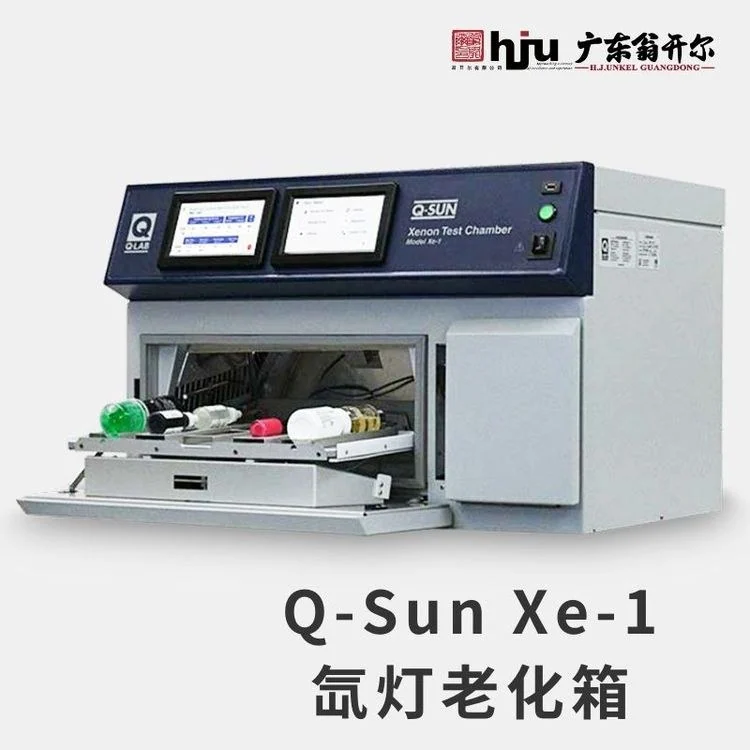
Q-SUN Xe-1 xenon and UV-300 yellowing chambers simulate sunlight and retail display exposure. Programs include 340 nm at 0.55 W/m² with a 60°C black-panel temperature for 24 hours, and alternate programmed cycles at 0.35 W/m² / 45°C. UV exposure at 300 W / 60°C for 48 hours assesses brittleness, coating loss, fading and product color changes. D65 / UV light-box observation supports color consistency checks.

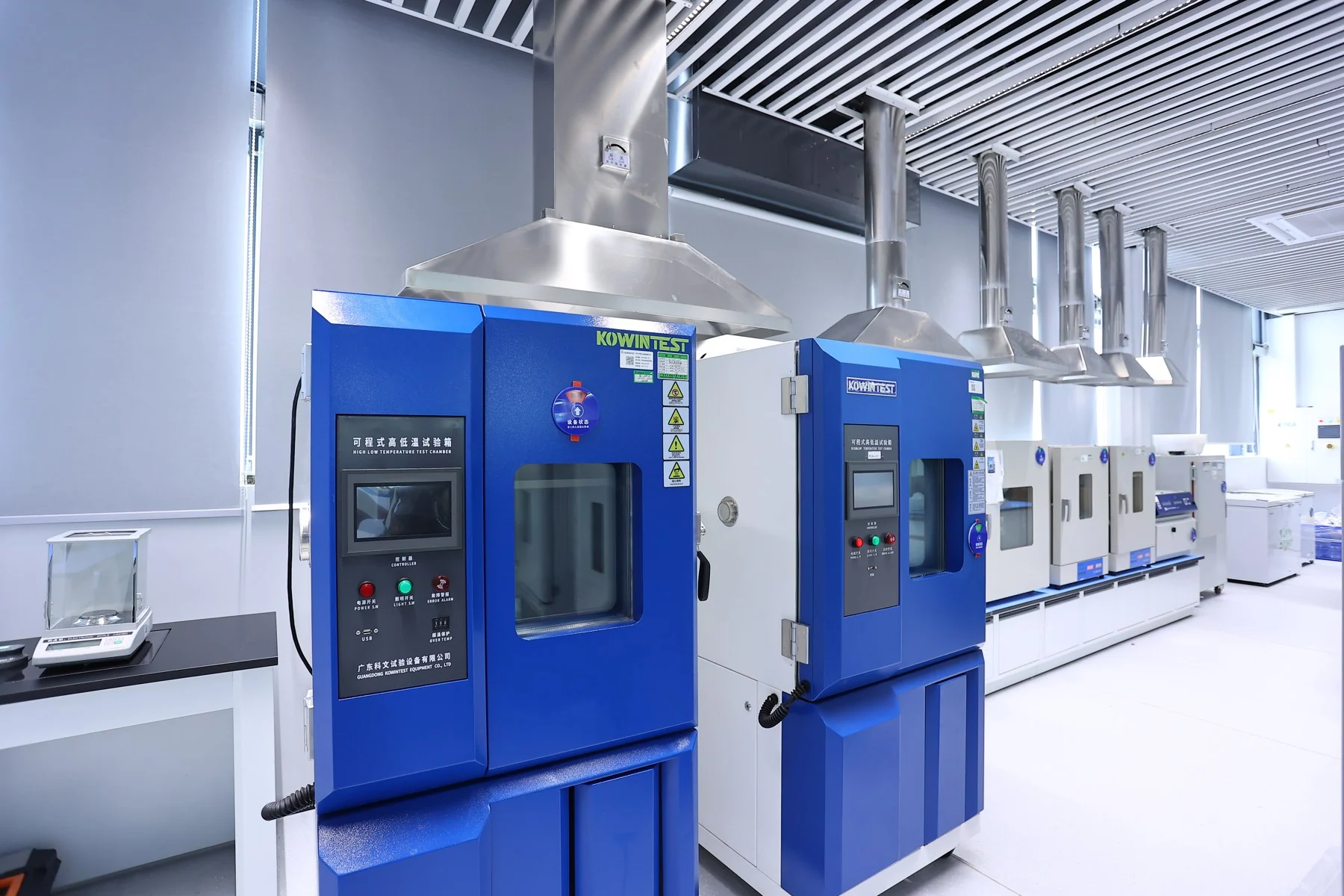
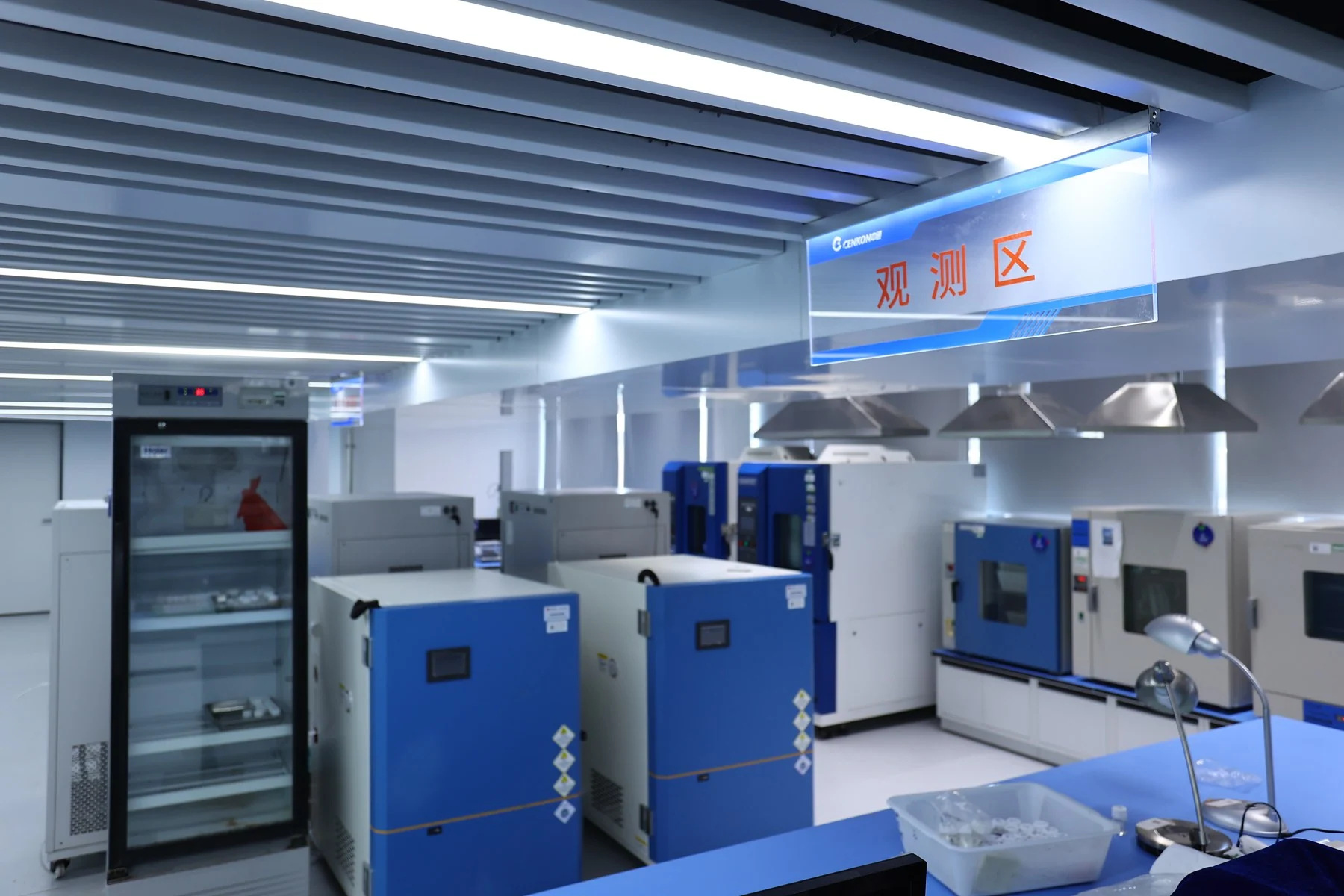
Temperature cycling & accelerated aging

Temperature cycling & accelerated aging

Methods & equipment

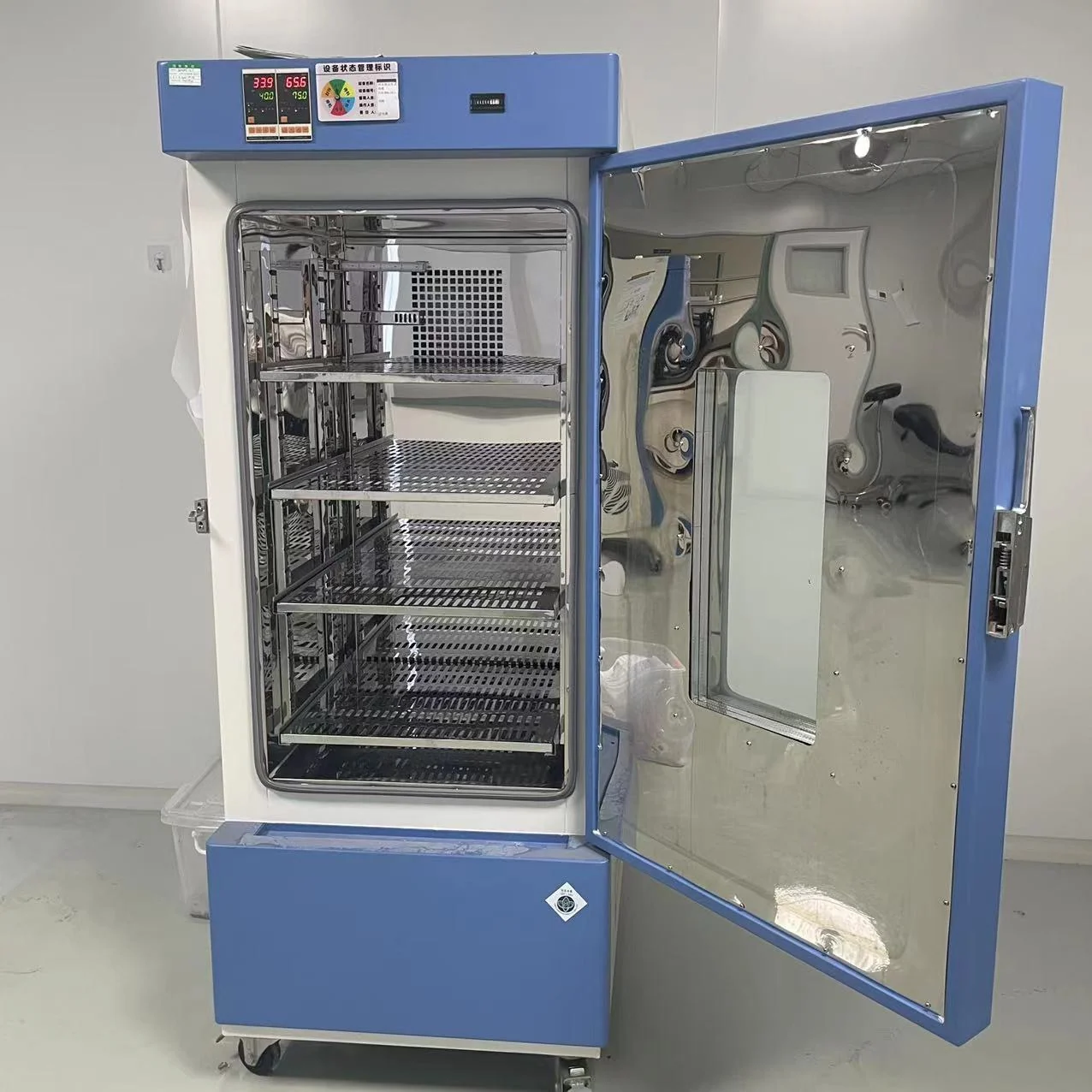
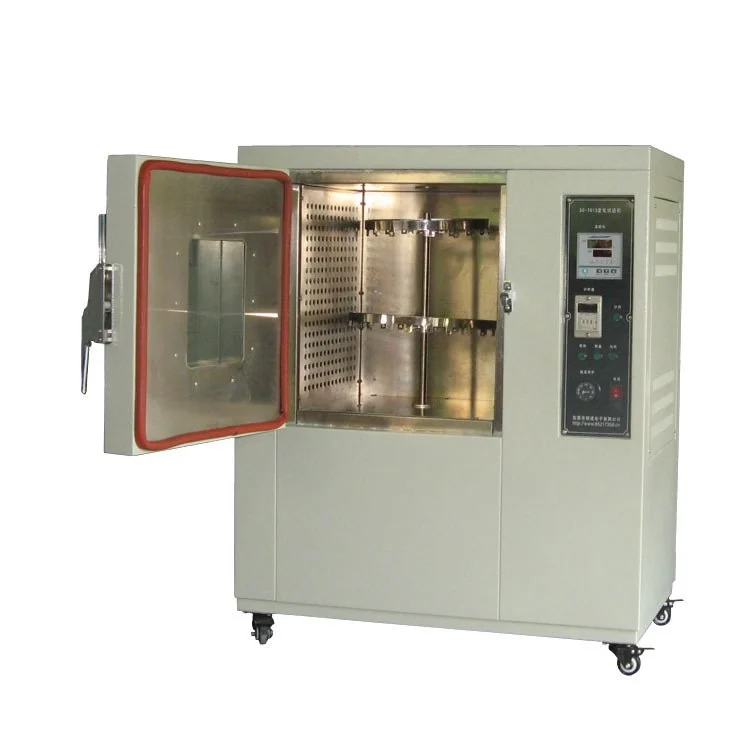
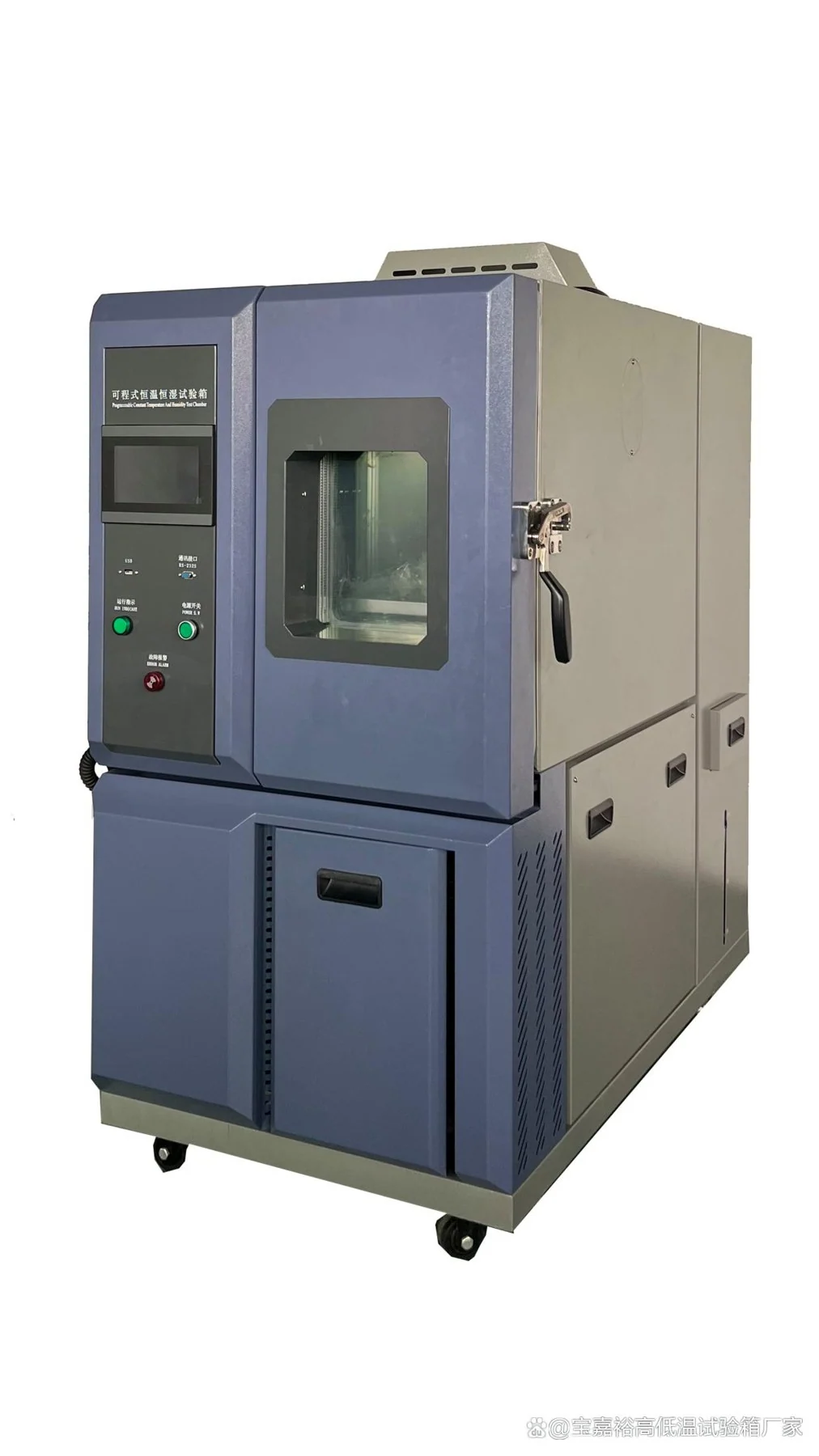
SHH-SD-2T stability chambers, controlled temperature / humidity equipment, refrigerators and thermal-cycle chambers evaluate packaging durability. Programs include inverted storage at 45°C for 28 days, −10 to −15°C for 28 days, and alternating 48°C / −20°C 24-hour cycles over 28 days. Weekly weight, appearance and function records are supported by alarms, data logging, SD backup and printed records.

Transport vibration & reliability

Transport vibration & reliability

Methods & equipment

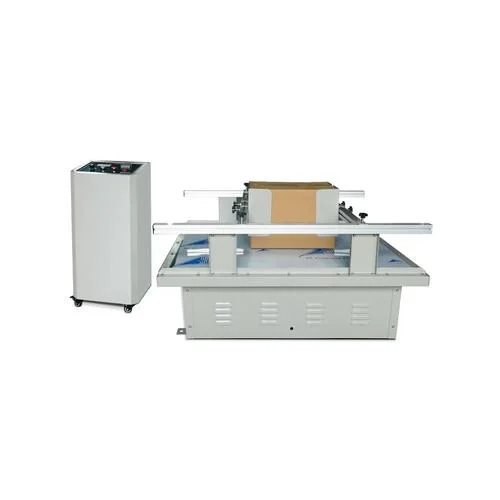
A JYQ-100 transport vibration table and fixed-frequency sinusoidal vibration capability simulate shipping conditions for primary packs, outer packs and packed cartons. A source protocol uses 180 rpm for 90 minutes. Adjustable speed, duration and restraint arrangements help assess leakage, scuffing, structural loosening and functional failure. The laboratory develops methods with reference to GB/T 16265, YBB 0014, GB/T 16422.2, GB/T 1865, GB/T 22771, GB/T 4857.7, GB/T 15171 and ASTM D3078.

Our capabilities

Formula Development & Scale-Up

More than 8,000 new products, 300+ established efficacy formulas and 2,000+ market launches inform a broad development platform.

Formulation & standardized samplingFormulation & standardized sampling

Formulation & standardized sampling

Methods & equipment

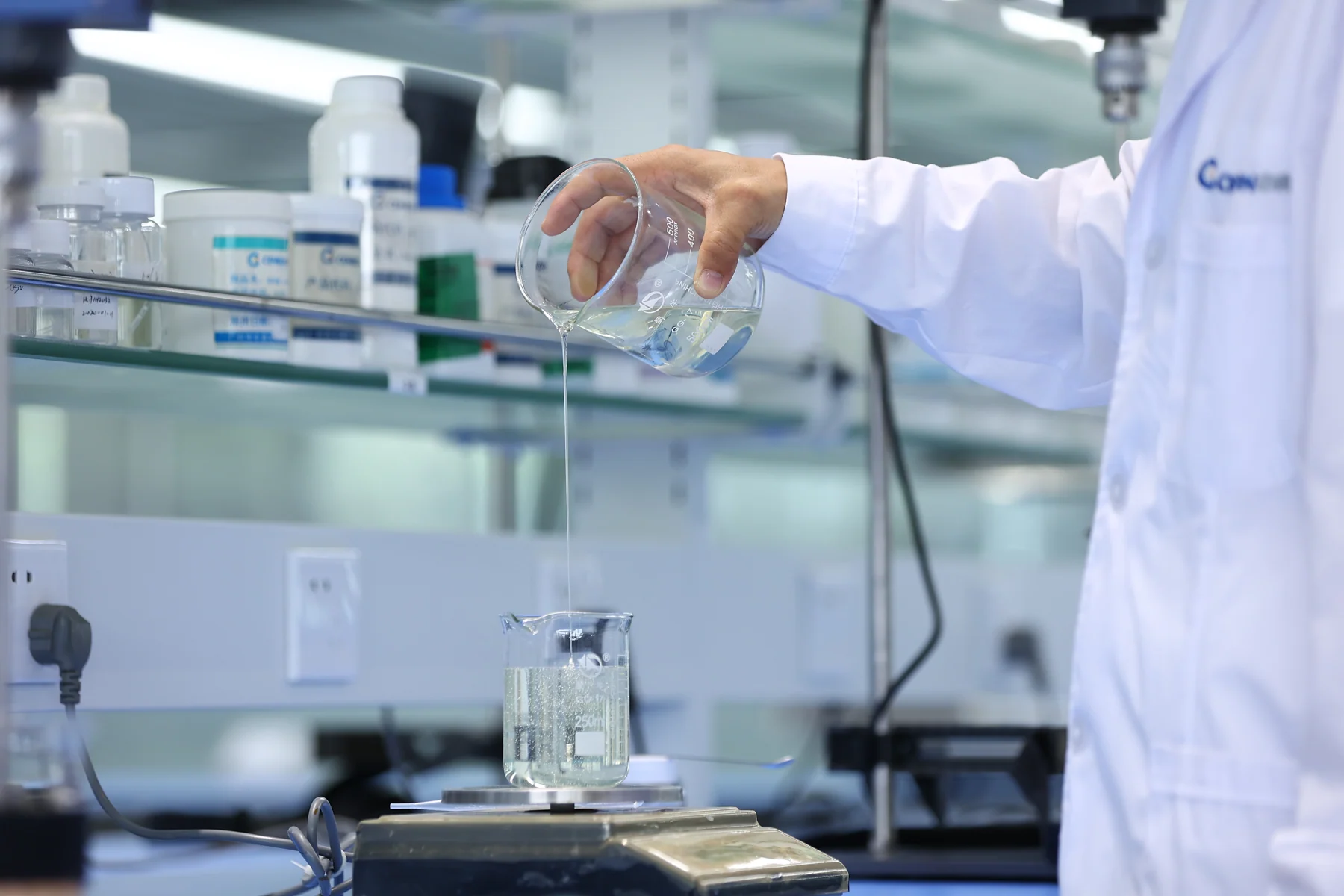
An experienced formulation team connects formula design, system development, process tuning, bench sampling, pilot scale-up and production handover. Stirring, homogenization, controlled water / oil baths, powder dispersion and deaeration support creams, lotions, serums, sticks, freeze-dried products and makeup bases. Standardized preparation SOPs help maintain sample consistency for parallel formulation, ingredient-compatibility and sensory studies.

Microemulsion & nanoemulsion developmentMicroemulsion & nanoemulsion development

Microemulsion & nanoemulsion development

Methods & equipment

An AH-1500 high-pressure homogenizer, homogenization equipment and Mastersizer 3000 support development at 0–1,500 bar. The platform screens surfactant systems, oil–water ratios and emulsification parameters, then evaluates particle-size distribution, rheology and stability. Development covers microemulsion, nanoemulsion and self-emulsifying systems for serums, liquids and creams.

Freeze-dried product development

Freeze-dried product development

Methods & equipment

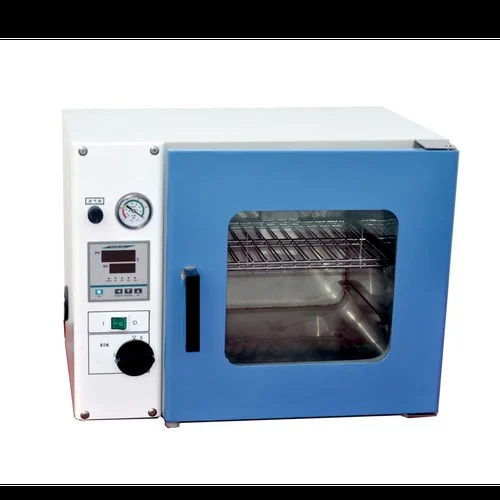
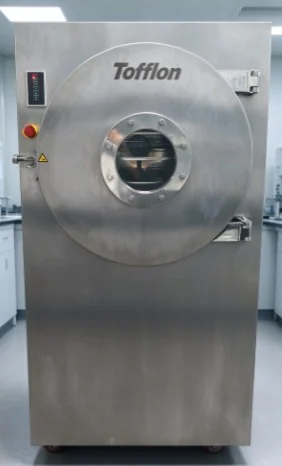
Vacuum freeze-drying, low-temperature solution preparation, aseptic filling and moisture / structure analysis support heat-sensitive active ingredients. The team studies matrix selection, protective excipients, pre-freezing, sublimation and secondary drying. Cake structure, reconstitution time, residual moisture and active retention are evaluated for freeze-dried serums, masks and powders.

Pilot production & process transfer

Pilot production & process transfer

Methods & equipment

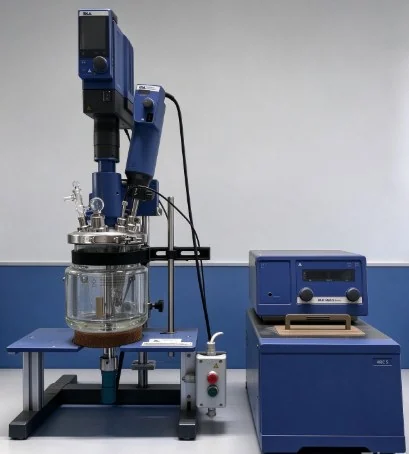
A German IKA pilot reactor with stirring, homogenization and temperature control simulates manufacturing conditions. Studies examine addition sequence, mixing speed, homogenization pressure and heating / cooling profiles, identifying changes in viscosity, particle size and stability during scale-up. Production instructions support the transfer of cleansers, serums, lotions and creams from laboratory to manufacturing.

Physical & chemical testingPhysical & chemical testing

Physical & chemical testing

Methods & equipment

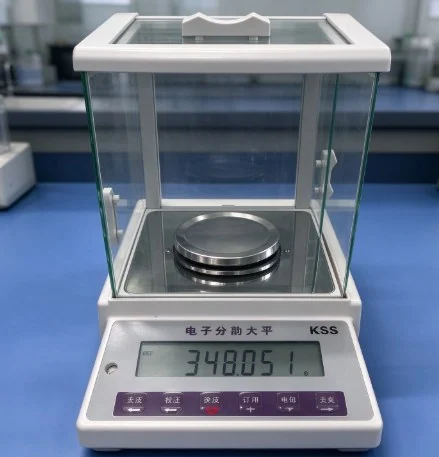
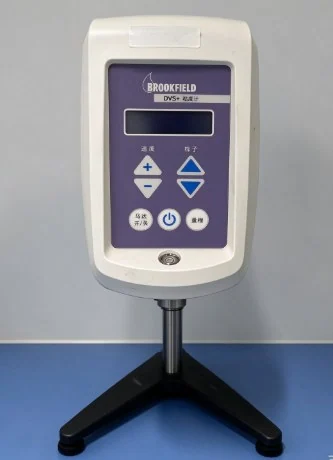
Analytical balances, viscometers, pH and conductivity meters, tensile testing, temperature-controlled equipment and centrifuges support raw-material and finished-product assessment. Tests cover pH, viscosity, density, cold / heat resistance, temperature cycling and centrifugation, tracking separation, syneresis, color and odor changes. Traceable data supports formula screening, raw-material qualification and product quality review.

Compliance & clean beauty

Development for Global Markets

ISO 9001, ISO 22716, US GMPC, HALAL and WCO AEO credentials support our operations and service to customers in more than 80 countries. Our independent regulatory affairs department supports formulation adjustments for target markets, including Southeast Asia and the Middle East.

Our development experience spans sun care, complexion makeup, single-dose serums, masks, cleansers, pads, sticks, hair care and fragrances. More than 50 authorized patents and 300 registered trademarks support product and technology development.

Our Clean Beauty approach emphasizes safe, effective and naturally oriented development, including gentle, simplified, alcohol-free and botanical-focused formulas. We support customers with formulation development and documentation for subsequent certification applications.

Explore Clean Beauty

Start your project

Tell Us What You Want to Create

Share your product idea, target market and expected quantity. Our team will reply within 24 hours.

Start your project

Get a Free Sample

Tell us what you want to create. Our team will reply within 24 hours.

Select your country code and enter your phone number.
Product categories *
Service model *
Target markets
PDF or image, up to 5 MB. Optional.

Company video

Our company video will be available soon.